
Written by: Watch Valley Editorial Team
Published: Apr 2026
Swiss watchmaking has long been associated with precision, craftsmanship, and mechanical innovation. For centuries, Switzerland has played a central role in the development of luxury horology, producing timepieces recognized for their technical quality and enduring design.
Today, the “Swiss Made” designation remains one of the most respected standards in the global watch industry, representing a combination of engineering expertise, traditional craftsmanship, and strict manufacturing requirements.
The Origins of Swiss Watchmaking
The foundations of Swiss watchmaking date back to the 16th century, when skilled craftsmen and clockmakers began developing advanced mechanical timekeeping techniques.
Over time, Switzerland became the center of high-end horology, with workshops evolving into internationally recognized watch manufactures. Regions such as Geneva and the Vallée de Joux became closely connected with mechanical innovation and luxury watch production.
Despite advances in modern manufacturing, traditional hand-finishing and movement assembly remain important elements of Swiss watchmaking culture.
What “Swiss Made” Means
The “Swiss Made” label is associated with strict standards related to manufacturing, movement production, and quality control.
To qualify for Swiss Made designation, watches must meet specific legal requirements regarding movement origin, assembly, and final inspection within Switzerland.
For many collectors and enthusiasts, Swiss Made represents:
- High manufacturing standards
- Reliable mechanical performance
- Long-term durability
- Traditional watchmaking expertise
- Strong brand heritage
The designation has become an important symbol of trust and prestige within the luxury watch industry.
Precision and Mechanical Engineering
Swiss watches are widely respected for their movement quality and engineering precision.
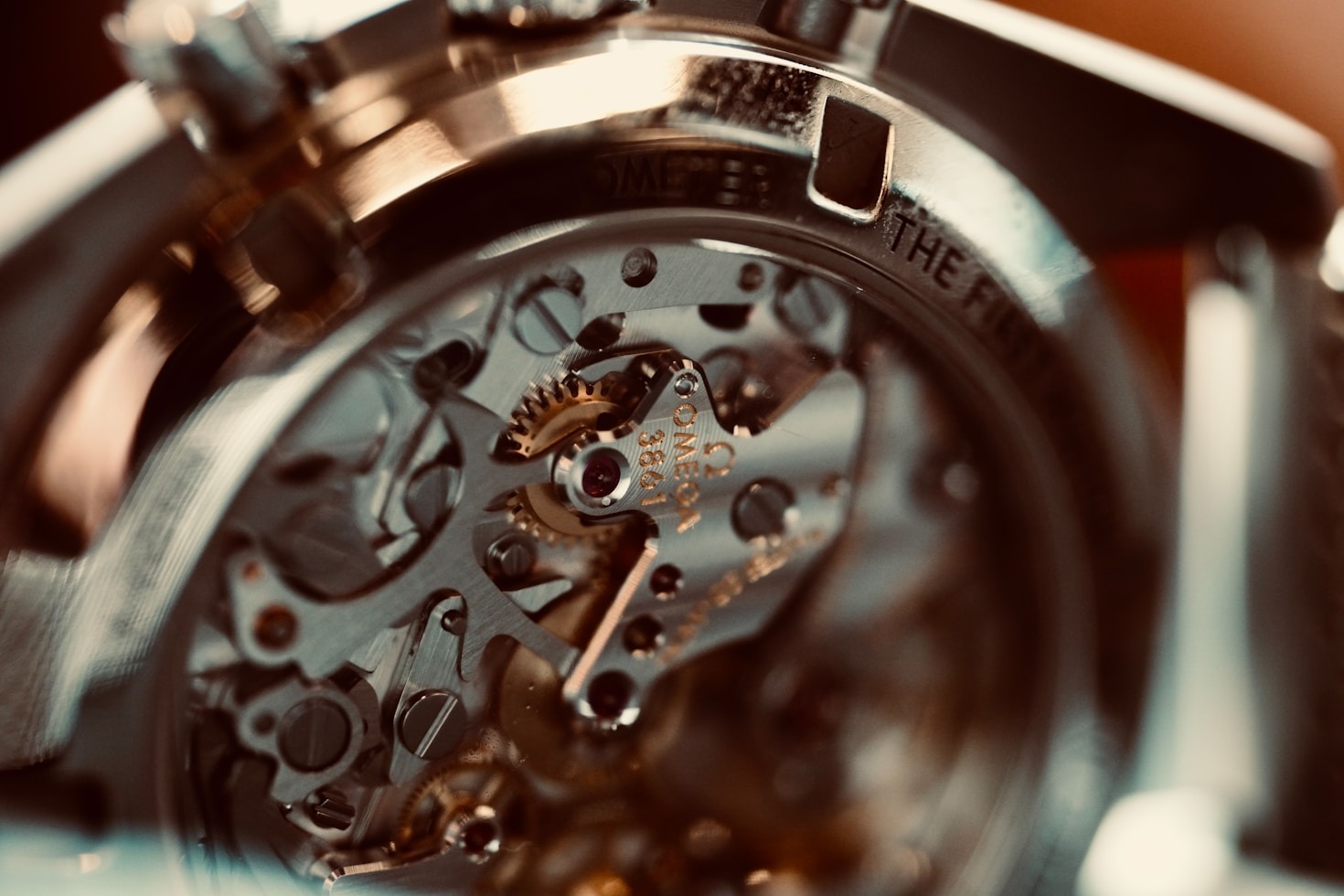
Mechanical watch movements consist of dozens or even hundreds of individual components working together in extremely small spaces. Balance wheels, escapements, mainsprings, and gear trains must be carefully adjusted to maintain consistent performance.
Many luxury Swiss watches are assembled and regulated by experienced watchmakers who specialize in movement finishing and precision adjustment.
Advanced testing procedures are commonly used to evaluate:
- Accuracy
- Water resistance
- Shock resistance
- Power reserve performance
- Long-term reliability
This attention to detail contributes significantly to the reputation of Swiss horology.
Tradition Combined With Innovation
One of the defining characteristics of Swiss watchmaking is the balance between traditional craftsmanship and technological innovation.
While many Swiss brands continue to use classic mechanical techniques, they also invest heavily in research, materials, and movement development.
Over the years, Swiss watchmakers have introduced innovations such as:
- Automatic winding systems
- High-frequency chronograph movements
- Ceramic watch cases
- Titanium components
- Advanced anti-magnetic technology
Modern luxury watches often combine historical design inspiration with contemporary engineering solutions.
Hand Finishing and Decorative Techniques
Beyond technical performance, Swiss watches are also admired for their finishing and decorative details.
Many high-end movements feature traditional finishing techniques such as:
- Geneva stripes
- Perlage
- Anglage
- Hand-polished bridges
- Decorative rotor engravings
Transparent case backs allow collectors to view these details and better appreciate the craftsmanship involved in movement production.
These finishing methods require patience, skill, and extensive manual work, especially in haute horology.
Complications in Swiss Watchmaking
Swiss manufacturers are known for producing highly complicated mechanical watches.
Complications are functions beyond basic timekeeping and may include:
- Chronographs
- Moon phase displays
- GMT functions
- Perpetual calendars
- Tourbillons
- Minute repeaters
High complications represent some of the most technically advanced achievements in traditional watchmaking and are often associated with prestigious luxury brands.
Swiss Watches as Long-Term Investments in Craftsmanship
Many collectors view Swiss watches as long-term purchases due to their durability, serviceability, and enduring design.
Luxury mechanical watches are often designed to remain functional for decades when properly maintained. As a result, some watches are passed down through generations as family heirlooms.
For enthusiasts, ownership often reflects appreciation for:
- Mechanical engineering
- Traditional craftsmanship
- Heritage design
- Precision manufacturing
- Long-term collectability
Swiss watches continue to hold a unique position within both luxury culture and modern horology.
The Future of Swiss Horology
As technology and consumer preferences evolve, Swiss watchmakers continue adapting through innovation and sustainability initiatives.
Many brands are investing in:
- Sustainable manufacturing
- Recycled materials
- Improved movement efficiency
- Modern production technologies
- Environmentally conscious packaging
At the same time, traditional craftsmanship remains central to the identity of Swiss watchmaking.
The continued combination of heritage, engineering, and innovation ensures that Swiss horology remains highly influential within the global luxury watch industry.
Frequently Asked Questions
What does “Swiss Made” mean on a watch?
“Swiss Made” indicates that a watch meets legal Swiss manufacturing requirements related to movement production, assembly, and inspection.
Why are Swiss watches considered high quality?
Swiss watches are known for precise engineering, strict quality control, skilled craftsmanship, and long-standing watchmaking traditions.
Are all Swiss watches mechanical?
No. Swiss watches can use quartz or mechanical movements, although luxury Swiss brands are especially associated with mechanical watchmaking.
What are some common Swiss watch complications?
Popular complications include chronographs, GMT functions, moon phases, perpetual calendars, and tourbillons.
Why do collectors value Swiss watches?
Collectors often appreciate Swiss watches for their craftsmanship, heritage, movement quality, long-term durability, and historical significance.
This article is published for informational and editorial purposes only. Watch Valley is an independent publication and is not affiliated with any watch manufacturer mentioned in this article.

About the Author
Alexander Grant
Alexander Grant is a luxury watch writer and horology researcher focused on mechanical watches, collector trends, and Swiss watchmaking heritage. His editorial work explores craftsmanship, movement design, ownership experience, and long-term collecting culture.
Published by Watch Valley Editorial Team
Leave a Reply